
Cavity, Void & Sinkhole Investigation
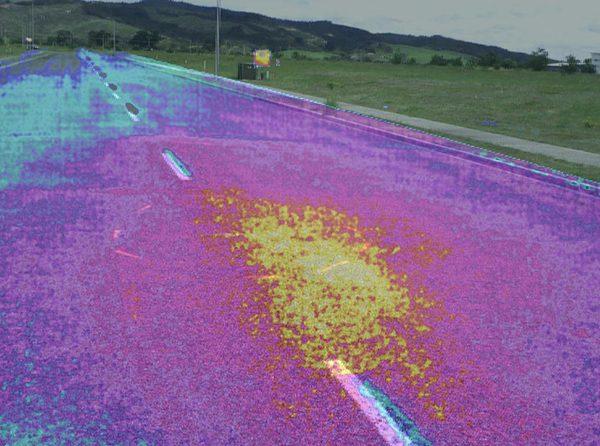
Holes under roads, slabs and culverts don't usually show until something drops. We find them first, using ground penetrating radar (GPR), infrared, and the IR-HPA and IR-VPA systems we built ourselves.
Why it happens
New Zealand doesn't get many natural sinkholes. What we see far more often is ground washing out from under things: a leaking stormwater pipe, failed subsoil drains, or fill that was never compacted properly.
We can cover big areas quickly and still be accurate. When we find a cavity, we can often put a small camera down a pilot hole to see how big it is. Sometimes that means it can be filled and stabilised instead of dug out.
Under roads and footpaths
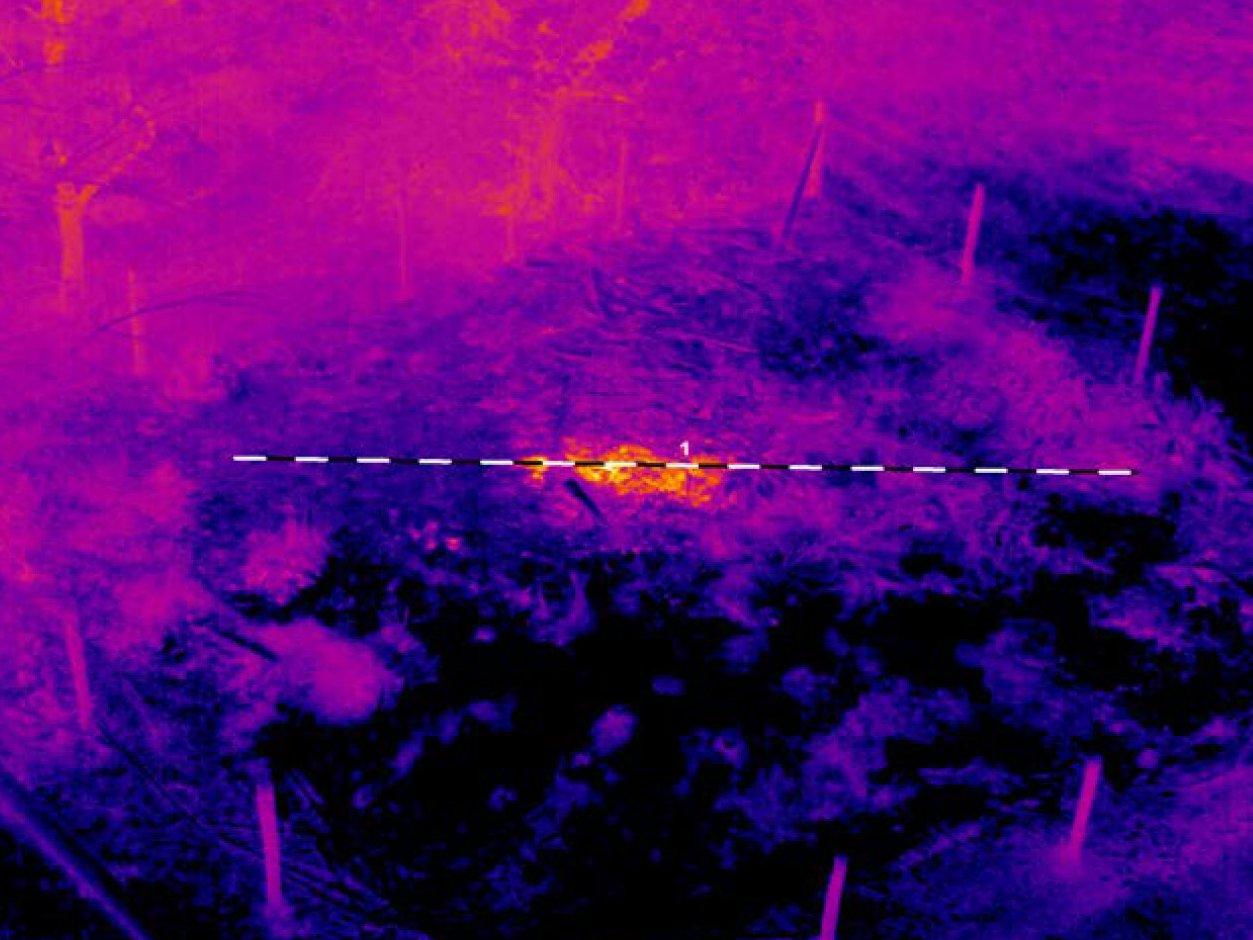
There's a lot of pipe under our roads and footpaths. When one fails, or the road was built on poor ground, the material underneath washes away and the surface eventually collapses. We use ground and aerial infrared, IR-VPA and GPR to find those gaps before that happens.
Site investigations
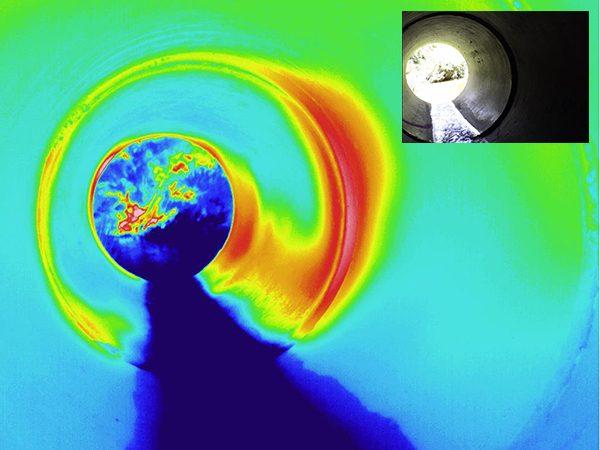
If you need to know what's under a site before you build, we can survey it with aerial infrared and GPR. We pick up old basements, badly backfilled holes, sinkholes, old slabs and patches of uneven fill.
If something needs checking, we can confirm it with horizontal core drilling, air or hydro-vac excavation, a digger, or a camera.
Behind culvert walls
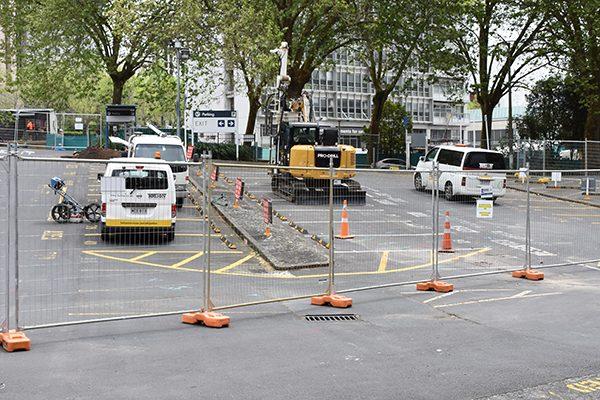
Older culverts can lose the ground around them as water scours it out over the years. We find the voids behind the culvert wall and use a camera through a pilot hole to work out their size, so they can be grout-filled accurately.
Filling and stabilising a culvert this way usually costs a lot less than replacing it.
Recent projects
Sinkhole from old mine workings
An infrared and GPR survey found a large void left by historic mining, before there was any sign of it on the surface. Done safely, on time and on budget.
See it in the galleryCavities under a footpath, Northland
Drainage faults had washed out the ground under a pavement. Our IR-VPA system and GPR found the cavities without breaking the surface.
See it in the galleryOld mineshaft cap
A client needed to know where an old mineshaft cap was in a reserve, and whether it was sound. Our survey found the cap, the angle it sat at, and a void beside and beneath it. The client dug it up and it was there.
See it in the galleryCommon questions
Can you find a void without digging?
What causes holes under roads and slabs?
Does a void have to be dug out?

Get a free quote
Tell us what's going on and we'll tell you how we'd find it.